Trusted By Patients At Hearing First Finchley
This Content Refreshed: 15th October, 2026 9:27 pm
Waxfree GuaranteeTM: The only ear wax removal clinic in Finchley offering the Waxfree GuaranteeTM.
We are the only specialist microsuction ear wax removal clinic in Finchley to provide Microsuction Earwax Removal and Manual Instrument Earwax Removal through our expert Audiologists. Every ear wax removal practitioner is carefully selected by our founder, Jason Levy. In Finchley, we truly are the ear wax removal experts.
Our convenient Finchley, North London location also serves Muswell Hill, Church End, Golders Green, Hendon, Hampstead Garden Suburb, Mill Hill, Barnet, East Finchley, Highgate, Crouch End, Hornsey, Harringay, Southgate, Whetstone, Arnos Grove, Osidge, Wood Green and Tottenham.
Why Patients Place Their Trust in Hearing First Finchley
Many patients choose Hearing First Finchley because they want clear guidance, careful treatment and a composed clinical experience from a local audiologist. Trust tends to grow when people feel properly heard, and that begins with a thorough assessment of symptoms such as blocked ears, reduced hearing, tinnitus or discomfort after wax build-up. In a busy high street setting, it can be reassuring to know the service is independent, clinically led and shaped around individual needs rather than sales targets. That matters whether someone needs microsuction ear wax removal, a hearing test or advice on hearing aids.
Consistency is important too. The same team can discuss results, outline options and provide aftercare without making the appointment feel rushed. For many patients, that marks the difference between a simple transaction and genuine hearing care. When a clinic combines ear wax removal, audiology knowledge and impartial support, it becomes easier to return with confidence. Trust is strengthened when the advice is practical, the language is plain and the treatment plan is matched to the person, not a one-size-fits-all model.
What Helps Build Confidence in a Local Audiology Clinic
- Qualified audiologists examine the ear carefully and explain each step in straightforward language.
- Appointments are shaped by clinical need, so patients can discuss wax build-up, hearing changes or discomfort without feeling hurried.
- Independent advice helps people compare hearing aid features, rather than being pushed towards one product range.
- Clear explanations of hearing tests make results easier to understand and use in everyday life.
- Gentle aftercare and follow-up support can make return visits feel more reassuring and less stressful.
Clinical Skill Behind Careful Microsuction and Manual Wax Removal
Research Catalogue Results for Ear Wax Removal
- The auricular cough reflex: lateralization, prevalence, procedural determinants, and the role of examiner handedness. - van de Loo J, Mayer M, Sharaf K, Eckel H, Jansen L, Klussmann JP, Luers JC., 2026.
- High-definition otoscopic device for humanitarian mission: how i do it. - Lechien JR, Maniaci A, Kipsang MJ, Kibor M, Vaira LA., 2025.
- Use of Castor Oil in Dermatology: A Narrative Review. - Girdler K, Cabatu A, Olds H, Potts GA., 2026.
Source: Europe PMC. These are bibliographic matches, not personalised medical advice or an endorsement of a treatment.
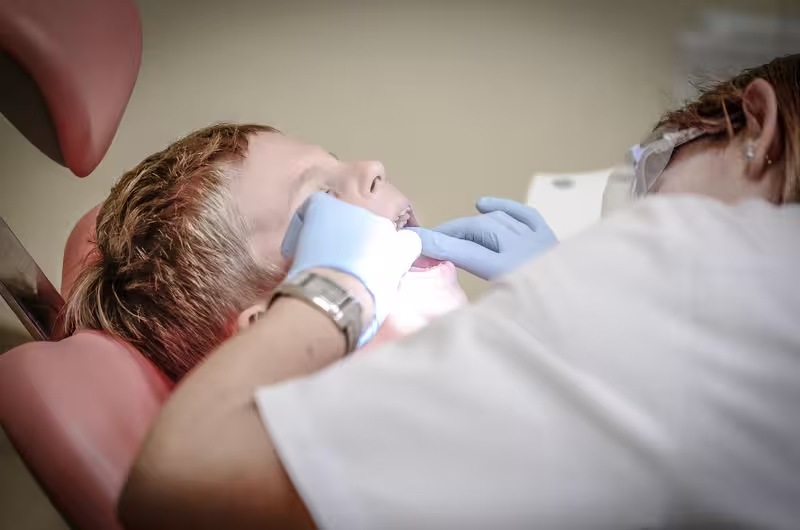
Ear wax removal should be treated as a clinical procedure, not as a routine cosmetic service. At Hearing First Finchley, patients appreciate the use of microsuction and manual instrument techniques because both can be chosen according to the ear, the wax consistency and the findings during the appointment. That judgement matters. Different ears need different approaches, and a trained audiologist can decide what is most suitable while keeping the experience controlled and comfortable. This careful method is one reason many people prefer a specialist ear care clinic to a basic walk-in option.
Microsuction is often selected for precision, especially when wax is hard, deep or affecting hearing in a way that requires exact removal. Manual instrument removal can also be suitable in the right circumstances, particularly when a more delicate approach is preferable. The aim remains the same, to clear the ear safely and improve comfort, hearing clarity and day-to-day wellbeing. Patients often feel more reassured when they understand why a particular method has been chosen and how the procedure will be carried out.
Why Choosing the Right Technique Matters for Comfort and Safety
Good ear care begins with assessment, not assumption, because the safest method depends on the ear canal, the amount of wax and the patient’s symptoms.
That clinical approach helps reduce avoidable discomfort and supports better outcomes. It also gives patients a clearer sense of control, which is especially important for anyone who has had a poor experience elsewhere or feels anxious about treatment.
When an Audiologist May Choose a Different Approach
An experienced audiologist will assess the condition of the ear before deciding whether microsuction, manual tools or another route is the most appropriate. If the wax is soft, dry, compacted or close to the eardrum, the choice of method can make a real difference to both safety and comfort.
Tip: Ask What the Clinician Is Checking For
It is sensible to ask what the audiologist can see, why they favour one technique and what outcome they expect. Simple questions often make the appointment feel clearer and more collaborative.
Useful Point: Informed Patients Often Feel Calmer
When people know what is happening and why, they are more likely to relax, follow aftercare guidance and leave with a better understanding of their ear health.
How Much Does Ear Wax Removal in Finchley Cost?
Published Payment Methods
- Credit cards
- Debit cards
- Contactless or NFC payments
Payment information may change. Confirm prices, insurance eligibility and accepted methods directly with the provider. Place attributes are provided by Google Maps.
Ear wax removal in Finchley starts at £34. The final price can vary depending on whether treatment is needed for one ear or both, and on whether you are booking at peak or off-peak times, so it is sensible to confirm the details when you arrange your appointment.
20 Interesting Facts About Finchley

Here are 20 incredible facts about Finchley, a suburban area in North London, each highlighting its unique culture, history and landmarks:
- Name’s Feathered Origin
Finchley derives from Old English “Finch’s Leah” (Finch’s clearing), referencing its medieval roots as a forested area teeming with birds. The “Central” suffix was added in 1933 to distinguish its Tube station from East/West Finchley. - Domesday Book Absence
Unlike neighboring areas, Finchley isn’t in the 1086 Domesday Book—likely because it was dense woodland deemed “waste” by Norman surveyors. Its first written record dates to 1274, noting a dispute over timber rights. - Highwaymen’s Hunting Ground
Finchley Common (now suburban sprawl) was a notorious 18th-century haunt for highwaymen like Dick Turpin. Legends claim buried loot remains under modern driveways—though none has ever been found. - Ear Wax Removal in Finchley: Ear wax removal is available from the experts at Hearing First Finchley every Thursday at Cootes Pharmacy on High Road London N2 opposite Co-op Funeral Care. Click here to book now.
- Northern Line’s Game-Changer
Finchley Central station (opened 1933) spurred suburban growth. Its iconic roundel sign inspired an urban myth: locals joke it once “accidentally” read “Finchley Central – Trains to Nowhere” during a 1950s prank. - Friern Hospital’s Haunted Legacy
Built in 1851 as Colney Hatch Lunatic Asylum, this Gothic complex housed 3,000 patients. Closed in 1993, its converted apartments retain eerie features—residents report phantom screams and ghostly nurses in the corridors. - The Arts Depot’s Secret Tunnel
North Finchley’s arts hub sits atop a WWII air-raid shelter. Rumors persist of a sealed tunnel linking it to Friern Hospital, allegedly used to transport patients during bombing raids. Council archives “officially” deny it. - St Mary-at-Finchley’s Hidden Crypt
This 12th-century church (rebuilt in 1872) hides a medieval crypt under its altar. During renovations in 2001, workers found 17th-century skulls labeled “Plague—Do Not Disturb”—still interred there today. - Finchley Lido’s Olympic Link
The now-demolished Finchley Lido (1935–1993) trained 1948 Olympians. Its art deco diving boards were scrapped in 1995, but locals salvaged tiles to build a mosaic memorial in Victoria Park. - Dollis Brook Viaduct’s Suicide Myth
This 1850s railway bridge over Dollis Brook is shrouded in tragedy. Urban legends claim a Victorian lovelorn maid haunts it, pushing unfaithful partners off the edge—though no historical records confirm deaths. - Stephens House & Gardens’ Ghostly Bride
This Victorian mansion’s gardens are said to host the ghost of a 1920s bride who drowned in the pond. Staff blame her for flickering lights and sudden cold spots in the conservatory. - J.M. Barrie’s Forgotten Stay
Before writing Peter Pan, J.M. Barrie lived briefly on Ballards Lane in 1888. Locals insist he based Neverland’s “Lost Boys” on mischievous kids from Finchley’s ragged school—though Barrie never confirmed it. - Finchley Golf Club’s Royal Snub
Founded in 1908, it’s London’s oldest public golf course. King Edward VII allegedly called it “a charming swamp” after a rain-soaked 1910 visit. The club still celebrates “Swamp Day” with muddy tournaments. - WWII Rocket Tragedy
A V-1 flying bomb struck Tally Ho Corner in 1944, killing 17. A plaque on the Iceland supermarket wall commemorates the blast—though few shoppers notice it beside the frozen peas. - The “Finchley Fairy” UFO Hoax
In 1967, teens used chicken wire and glitter to create a “fairy corpse” in Victoria Park, sparking a media frenzy. The prank unraveled when a tabloid offered £500 for proof—prompting giggles at the police station. - Market Square’s Medieval Roots
Finchley’s market charter dates to 1319, though today’s stalls (since 1986) sell kebabs, not corn. Archaeologists found 14th-century market tokens under the car park—now displayed in the library. - Finchley Memorial Hospital’s Workhouse Past
Built in 1854 as a workhouse, its wards once housed the destitute. A hidden graveyard holds 500 pauper graves; some claim midnight wails echo near the maternity wing. - The “Hanging” Station Sign
Finchley Central’s tilted sign (damaged in a 1987 storm) sparked rumors of a hanged stationmaster. The truth? A lorry hit it in 1992—but the macabre nickname stuck, inspiring grunge bands like Hanging Sign. - The Tally Ho’s Rock ’n’ Roll Legacy
This 1930s pub hosted The Rolling Stones’ first London gig (1963). A graffiti tag reading “Mick woz here” in the cellar is preserved under plexiglass—though experts debate its authenticity. - Secret Cold War Bunker
Under a 1950s semi-detached house on Nether Street lies a government bunker, rediscovered in 2015. Its rusting tins of 1960s biscuits and Geiger counter are now part of a “Doomsday Airbnb” experience.
Independent Hearing Tests and Straightforward Advice for Everyday Listening
Hearing First Finchley is trusted by patients who want more than a quick hearing check. A proper hearing test should explain what the results mean, how they relate to real-life listening and whether any next steps may be helpful. That can include advice on hearing protection, the effects of background noise, or whether hearing aids might suit work, home or social settings. Patients value the fact that the clinic is not part-owned by a hearing aid manufacturer, because independence supports impartial recommendations rather than a sales-led conversation.
This approach is particularly helpful for adults who notice missed words, difficulty following conversation in restaurants or a need to turn the television up higher than before. A hearing assessment can provide a useful baseline and help identify patterns that are easy to miss from day to day. The benefit lies not only in the test itself, but in the explanation that follows. Clear guidance can make a confusing issue feel manageable, and that is often what patients remember most.
- Results should be explained in plain English, with time for questions and discussion of symptoms.
- A hearing test can highlight changes that may not be obvious until everyday listening becomes harder.
- Independent advice helps patients consider lifestyle, budget and comfort, not just product branding.
- Aftercare matters because fine-tuning and review can improve confidence and day-to-day use.
- Modern digital hearing aids may include rechargeable batteries, Bluetooth streaming and discreet styling.
For many people, the reassurance comes from knowing the clinic is focused on their hearing health first. That builds confidence in the advice and helps each patient make a sensible decision at their own pace.
Services We Offer Include:
- Manual Instrument Ear Wax Removal
- Microsuction Ear Wax Removal
- Hearing Tests: We can test your hearing and explain the meaning of your test results, and because we are not part-owned by a hearing aid manufacturer, we will not follow the approach of some High Street chains by offering a "free" hearing test and then pushing you to buy hearing aids.
- Under 18 Microsuction Ear Wax Removal: We provide microsuction ear wax removal for ages 12 to 17 when accompanied by a parent or guardian.
- Impartial Hearing Aid Advice, Fitting and Aftercare: If you want friendly, impartial advice, we are an independent company that is not part-owned by a hearing aid manufacturer, so we can advise you on which model is likely to be most suitable for your unique lifestyle requirements. We supply and fit the latest digital invisible, rechargeable, bluetooth and iPhone-compatible hearing aids.
Hearing First East Finchley: Ear Wax Removal & Hearing Aids
Located within Cootes Pharmacy,
URL: https://www.hearingfirst.co.uk/book-ear-wax-removal-near-me/book-microsuction-ear-wax-removal-east-finchley/
View Hearing First East Finchley - Ear Wax Removal & Hearing Aids on Google Maps.
Professional ear wax removal Finchley Audiologists. Conveniently located inside Cootes Pharmacy opposite Co-op Funeral Care. We are the only ear wax removal clinic in Finchley that offers The Hearing First Waxfree GuaranteeTM, so if you have a blocked ear, book an appointment at our ear wax removal Finchley clinic. We really are the ear wax removal experts in Finchley!
Finchley Hearing and Ear Care Services
Hearing First Finchley brings together ear care and hearing support in one local setting, helping patients deal with blocked-ear concerns as well as wider hearing needs. The service is delivered by specialist audiologists and includes microsuction alongside manual instrument techniques, allowing the approach to be considered in relation to the individual ear and the findings at the appointment.
For younger patients, microsuction ear wax removal is available for those aged 12 to 17 when a parent or guardian attends with them. Adults who want a hearing assessment can also have their results explained clearly, giving them a useful starting point for understanding hearing changes and deciding what questions to ask next.
- Arrange an ear wax removal appointment if wax build-up or a blocked-ear sensation is affecting comfort or hearing.
- Consider a hearing test when you would like professional explanation of your hearing results.
- Discuss hearing aid options and aftercare if you want independent guidance based on your lifestyle requirements.
As an independent provider that is not part-owned by a hearing aid manufacturer, Hearing First Finchley offers impartial hearing aid advice, fitting and aftercare. Patients can ask about current digital options, including discreet, rechargeable, Bluetooth and iPhone-compatible hearing aids, and explore which features may suit their everyday listening situations.
Hearing Support for Young People and Families

Families often want a clinic where younger patients are treated with care, patience and age-appropriate communication. Hearing First Finchley provides microsuction ear wax removal for patients aged 12 to 17 when accompanied by a parent or guardian, giving families a practical local option when blocked ears are affecting school, sport or conversation at home. Teenagers may not always describe symptoms in detail, so it helps to have a team that can explain what is happening and involve the parent or guardian in the process. That creates a calmer appointment and supports better understanding afterwards.
Ear care for younger people needs a steady pace and clear explanation. School listening, exam performance and social confidence can all be affected by wax build-up or reduced hearing, so early attention can be valuable. A careful assessment can also distinguish between simple wax problems and signs that may need further hearing support. Families often appreciate knowing that the clinic offers specialist audiology rather than a rushed general service, because that extra expertise makes it easier to respond appropriately.
What Parents and Guardians May Want to Know Before the Appointment
- The young person should attend with a parent or guardian, so consent and discussion can happen clearly in one place.
- Teenagers can be reassured that the procedure is designed to be precise, careful and clinically supervised.
- Any recent ear infection, pain or dizziness should be mentioned before treatment begins.
- Questions about school hearing, headphones or listening difficulty can be raised during the visit.
- Aftercare advice should be followed closely to support comfort and recovery after the appointment.
This family-friendly approach helps make ear wax removal feel less daunting and more straightforward. It also gives parents a trusted local clinic they can return to if hearing concerns arise again.
Impartial Hearing Aid Fitting and Aftercare in a Local Finchley Clinic
Patients often turn to Hearing First Finchley when they want honest hearing aid advice without pressure. That independence matters because the right device depends on far more than price or appearance. It depends on listening habits, dexterity, phone use, work demands and the environments where the person struggles most. An audiologist who is not tied to a manufacturer can talk through digital hearing aids in a balanced way, including invisible models, rechargeable devices, Bluetooth connectivity and iPhone compatibility. The aim is to match features to daily life, not the other way round.
Hearing aid fitting is only the beginning. Good aftercare helps users adapt to sound, manage expectations and adjust settings if needed. Some patients need help with insertion, cleaning, charging or app use, while others want reassurance that they are choosing the right style for long-term comfort. When support is consistent, people are more likely to wear their hearing aids confidently and get the benefit they expected. Trust grows when the clinic stays involved after the fitting, not just at the point of sale.
What Patients Usually Value Most from Aftercare
Aftercare is where good hearing aid advice becomes practical support, because small adjustments often make a meaningful difference to comfort and clarity.
That support can cover everyday use, sound quality, maintenance and questions about listening in real situations. It gives patients a dependable place to return to if something does not feel right, and that reassurance is a major part of why local clinics earn patient trust over time.
Safe, Comfortable Ear Wax Removal with an Audiologist in Your Local Area
Your ears and hearing are delicate, and their care should be in expert hands. Some providers delegate ear wax removal to lay people, viewing it as a routine procedure. However, we believe it requires the skill and expertise of a trained Audiologist.
At our clinic, only qualified Audiologists perform ear wax removal, ensuring your ears are cared for by a specialist with in-depth knowledge of ear anatomy and physiology. This minimises the risk of injury and supports a safe, effective procedure tailored to your needs. Your hearing is too important to leave to chance, and we are committed to providing the highest standard of care.
Hearing First Finchley – Microsuction Ear Wax Removal N2 Map
What Patients Can Expect from a Reassuring Clinic Experience

A trusted clinic does more than provide a service, it creates an experience that feels calm, organised and respectful. At Hearing First Finchley, patients are likely to value the combination of clear communication, clinical knowledge and a sensible pace. This matters for people who may feel embarrassed about ear wax, anxious about hearing loss or uncertain whether they need treatment at all. A good experience starts before the procedure, with a clear explanation of the appointment and a discussion of symptoms, then continues through treatment and aftercare. That structure helps patients feel looked after rather than processed.
Consistency is another reason people return. If someone needs ear wax removal one month and a hearing assessment later on, it is reassuring to work with a team that understands both needs. That joined-up approach means patients do not have to repeat their history endlessly, and they can build a relationship with clinicians who know how to explain options clearly. In a local setting, that sense of familiarity can make specialist care feel much more accessible.
Common Reasons Patients Recommend a Local Ear and Hearing Clinic
- The appointment feels unhurried, which helps people ask questions and understand the advice they receive.
- The team explains ear wax removal, hearing tests and hearing aid options in plain English.
- Independent recommendations give patients confidence that the suggested solution suits their needs.
- Clinical care is delivered by audiology professionals who understand ear health and hearing support.
- Patients leave with practical next steps, which makes it easier to act on the advice at home or work.
That combination of expertise and attention is what turns a one-off visit into lasting trust. For many patients, it is the reason Hearing First Finchley becomes their first choice for ear care and hearing support.